


Level 2 vs. Level 3 DC Fast Charging: Which One Does Your Property Actually Need?
-
Posted by
admin
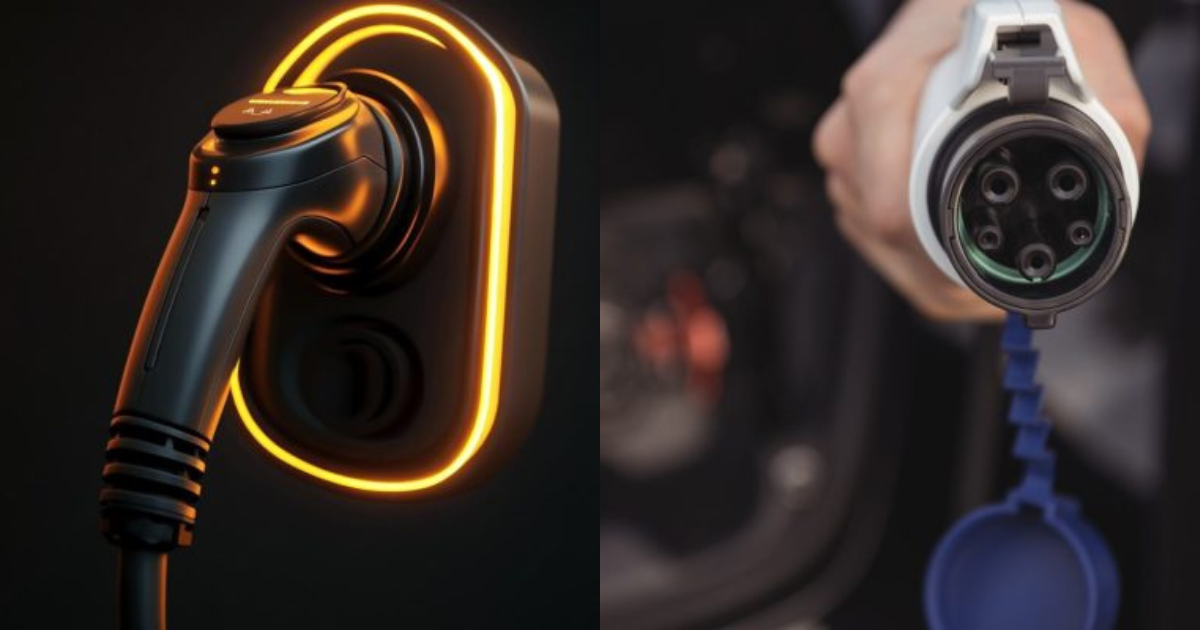
If your property is a workplace, multi-family building, retail center, or hotel where vehicles park for an hour or longer, Level 2 AC charging is almost always the right choice. If it’s a fleet depot, distribution center, or any high-turnover commercial site where vehicles need to charge fast and get back on the road, Level 3 DC fast charging is what you need. Most commercial properties only need Level 2, it’s less expensive to install, works well for longer dwell times, and is the more common choice across the properties we serve. Level 3 makes sense specifically when speed matters more than cost: fleet operations, ride-share hubs, and high-turnover commercial sites. The short version: match the charger to how long vehicles actually sit on your property, not to whichever charger sounds more advanced.
What Is a Level 2 Charger?
Level 2 chargers run on 208 to 240 volt AC power, the same category as a home EV charger, but built for commercial use. They typically deliver a few kilowatts up to around 19 kilowatts, enough to fully charge most EVs in a handful of hours, generally somewhere in the range of 4 to 10 hours depending on the vehicle and the charger’s output. That’s exactly why they’re the most common charger installed at workplaces, multi-family buildings, retail centers, and hotels, vehicles are already parked there for a while anyway, whether that’s an 8-hour work shift, an overnight stay at an apartment complex, or a couple of hours spent shopping or dining.
Wall-mount pedestal units are the most popular configuration for commercial properties, since they’re compact, reliable, and straightforward to install in an existing parking area without major construction. Pedestal-mounted units also hold up well outdoors and are generally easier to service than more complex configurations. We installed Level 2 chargers for Advanced Fresh Concepts in Los Angeles County and for Holiday Inn Express & Suites Glendale, both properties where guests and employees park for extended periods, exactly the kind of dwell time that makes Level 2 the practical choice.
What Is Level 3 DC Fast Charging?
Level 3, also called DC fast charging, delivers power directly as DC rather than AC, at much higher output, commonly 50 kilowatts and up, with some newer units reaching well beyond that. That means a charge that would take hours on Level 2 can happen in well under an hour, sometimes in as little as 20 to 30 minutes depending on the vehicle and the charger.
The tradeoff is cost: DC fast charging equipment and the electrical infrastructure behind it, often including a utility service upgrade, cost significantly more than Level 2. That’s not a reason to avoid it, it’s a reason to make sure the use case actually justifies it. It makes sense when speed genuinely matters more than price: fleet depots where vehicles need to turn around quickly between routes, high-turnover commercial lots, and any site where vehicles can’t afford to sit parked for hours waiting to charge. Wilson Automotive Group in Orange County uses a mix of Level 2 and Level 3 chargers, matching each charger type to how that part of their property actually gets used, rather than installing one charger type everywhere by default.
Which Businesses Typically Choose Which
- Workplaces and offices: almost always Level 2. Employees are parked for a full shift, and Level 2 comfortably covers a full charge in that window at a fraction of the installation cost.
- Multi-family housing: almost always Level 2. Residents park overnight, giving plenty of time for a full charge, and the lower installation cost matters when you’re potentially installing chargers across many parking spaces.
- Retail and hospitality: usually Level 2, sometimes a mix. A hotel guest parking overnight or a shopper spending an hour or two both fit comfortably within Level 2’s charging window.
- Fleet operations: usually Level 3, or a mix of both. Vehicles that need to get back on the road quickly justify the higher upfront cost of DC fast charging, while vehicles parked overnight at a depot can still use Level 2.
- General commercial and mixed-use properties: depends entirely on how the parking is actually used, which is exactly why a site assessment matters more than a generic rule of thumb.
A Common Mistake Worth Avoiding
The most common mistake we see is choosing a charger type based on what sounds more impressive rather than what the property actually needs. Level 3 isn’t automatically “better,” it’s a different tool for a different problem. Installing DC fast charging where Level 2 would have done the job means paying for infrastructure you didn’t need. Installing Level 2 where fast turnaround actually matters means frustrated drivers and underused parking. The dwell-time question at the top of this article settles it almost every time.
How to Decide
Ask one question first: how long do vehicles typically stay parked on your property? If the answer is an hour or more, workplace, multi-family, retail, hospitality, Level 2 almost always makes more financial sense. If the answer is minutes, fleet turnaround, high-traffic commercial sites, Level 3 justifies its higher cost. Many properties, like Wilson Automotive Group, end up using both once they map out how different areas of their site actually get used. It’s also worth thinking ahead: a property that expects to add more EV parking over time may want to plan its electrical capacity for future Level 3 additions even if it starts with Level 2 today.
One More Factor: How Many Chargers You’ll Actually Need
Charger type isn’t the only decision, quantity matters just as much. Most properties don’t need to electrify every parking space on day one. A common approach is starting with a small number of chargers, often just one or two per charger type, sized to current demand, while planning the electrical capacity so more can be added later without redoing the underlying infrastructure. This matters more for Level 3, where the electrical upgrade behind a single charger can be substantial, than for Level 2, where adding a second or third unit later is usually straightforward. Thinking about quantity and charger type together, rather than deciding one and then the other, tends to produce a better long-term result.
You Don’t Have to Figure This Out Alone
This is exactly the kind of decision a site assessment settles quickly, by looking at your actual electrical capacity, parking layout, and how vehicles use your property, not a generic online chart. Eagle 1 Solutions offers a free site assessment and electrical inspection, sells Level 2 and Level 3 chargers directly with distribution pricing, and handles the full turnkey installation through our subcontracted installer partners. If cost is part of what’s holding you back from deciding, our guide on what commercial EV charging actually costs breaks down distribution pricing, rebates, and ROI in plain terms. Request your free assessment today and find out exactly which charger makes sense for your property.