


Choosing an EV Charger Manufacturer: ABB, Siemens, EVBox, Blink, Tesla, and How to Decide

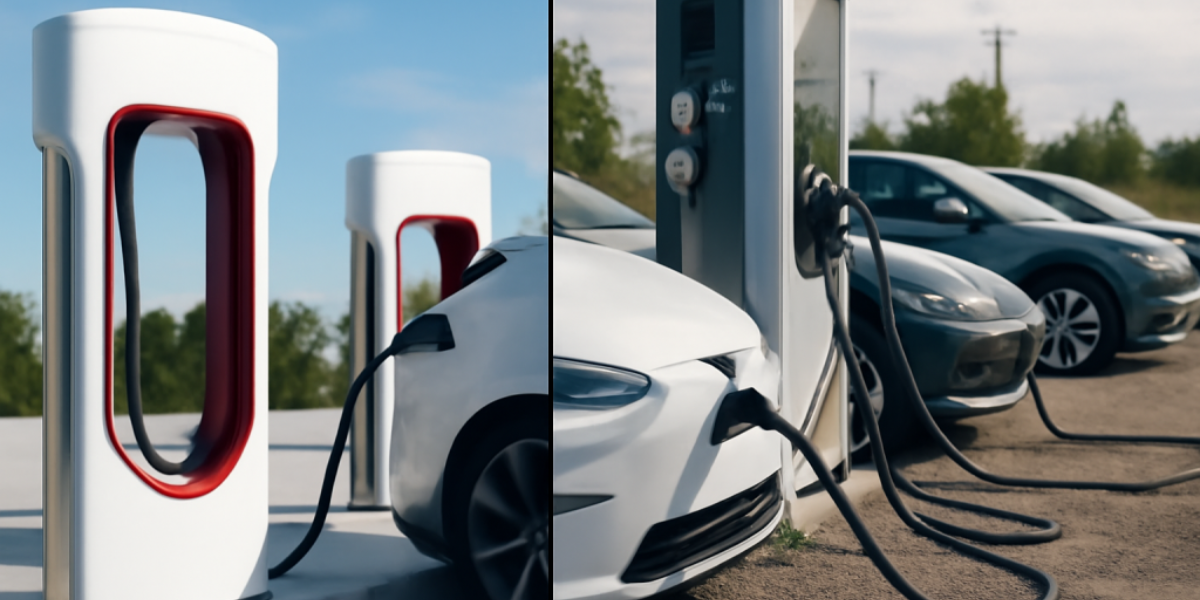
There isn’t one “best” EV charger manufacturer, the right choice depends on your property, your budget, and what you actually need the charger to do, not brand reputation alone. Eagle 1 Solutions sells equipment from ABB, Siemens, EVBox, Blink, Tesla, and other leading manufacturers, and we help match the manufacturer to your project rather than pushing one brand across every property.
Established industrial manufacturers like ABB and Siemens suit properties that prioritize long-term reliability, while EVBox and Blink are built specifically around managing multi-charger networks. If your property is exclusively serving Tesla vehicles, Tesla-specific equipment may be worth considering, though it comes with tradeoffs in flexibility. The short version: don’t pick a manufacturer first, pick your use case first, then let that narrow the manufacturer options that actually fit.
Why Manufacturer Choice Isn’t the First Decision
Before comparing brands, you need to know whether you’re installing Level 2 or Level 3 chargers, how many, and what your electrical capacity actually supports. Manufacturer comparison only makes sense once those basics are settled, otherwise you’re comparing options that may not even apply to your project. If you haven’t settled on charger type yet, our guide on choosing between Level 2 and Level 3 is the better starting point, then come back to this once that decision is made.
ABB and Siemens: Industrial-Grade Reliability
Both ABB and Siemens are established industrial equipment manufacturers with EV charging as part of a much broader electrical equipment business. That track record can matter for properties that prioritize long-term reliability and established service networks over the newest features. If your property already uses ABB or Siemens equipment elsewhere in your electrical systems, standardizing on the same manufacturer for EV charging can also simplify maintenance relationships you already have in place.
EVBox and Blink: Built for EV Charging Networks
EVBox and Blink are dedicated EV charging companies, their equipment and software are built specifically around managing charging networks, which can matter if you’re running multiple chargers and want tighter integration between hardware and management software. Properties managing charger access across many users, a multi-family building or a workplace with dozens of employees, often find this kind of purpose-built network management more relevant than the broader industrial approach.
Tesla: A Narrower, Brand-Specific Option
Tesla equipment is a reasonable option specifically for properties serving a Tesla-heavy vehicle population, but it’s a narrower fit than the other manufacturers listed here, worth discussing directly with us if this is a direction you’re considering. The tradeoff worth understanding upfront is that Tesla-specific hardware is generally optimized around Tesla vehicles first, which can be the right call for a property that’s confident about its driver base, but less flexible for a property expecting a broader mix of EV brands over time.
What About Manufacturers Not Listed Here?
ABB, Siemens, EVBox, Blink, and Tesla are the manufacturers we most commonly work with, but that’s not an exhaustive list, and we’re not locked into representing only these five. If you already have a manufacturer preference, or your property has a reason to standardize on a specific brand, we’ll tell you honestly whether that’s a good fit for your project or whether one of our regular manufacturers would actually serve you better. We’d rather point you toward the right equipment than the equipment that’s easiest for us to sell, that’s the difference between a direct seller who works across brands and a dealer who only carries one.
How Manufacturer Choice Interacts With Distribution Pricing
Distribution pricing applies across the manufacturers we work with, but the actual dollar difference between brands can vary based on current supply, model availability, and manufacturer-specific programs at the time of your purchase. This is another reason manufacturer comparison works better as a conversation during your site assessment than as a fixed price list, the numbers move, and we’d rather give you accurate current pricing than a comparison chart that’s already out of date by the time you read it. If cost is the deciding factor for your project, our guide on what commercial EV charging really costs walks through distribution pricing, rebates, and ROI in more detail.
What Actually Matters More Than the Logo
- Warranty terms and what they actually cover
- Availability of replacement parts and local service support
- Compatibility with any software or cloud management you want included
- Whether the manufacturer supports the charger power level (Level 2 or Level 3) your property needs
A Simple Way to Think About It
Start with your use case, not the brand list. A multi-family property installing a dozen Level 2 chargers across a parking structure has different priorities than a fleet depot installing three Level 3 DC fast chargers for overnight route turnaround. The first situation usually favors equipment with strong multi-unit management software, since you’re coordinating access across many residents. The second usually favors equipment built for high-duty-cycle commercial use, since the chargers will see near-constant use. Neither situation is “solved” by picking the most well-known brand, it’s solved by matching equipment capability to how the property actually operates day to day.
Questions Worth Asking About Any Manufacturer
- What’s the warranty period, and does it cover parts, labor, or both?
- How available are replacement parts if something needs repair down the line?
- Does the equipment support the software or cloud management features you want, if any?
- Is the manufacturer actively selling and supporting this specific model, or is it being phased out?
Mixing Manufacturers on the Same Property
You’re also not locked into one manufacturer across your entire property. It’s common for a property to use one manufacturer for Level 2 chargers and a different one for Level 3, or to standardize on one brand for consistency of management software while accepting a different manufacturer for a specific use case that brand doesn’t serve well. There’s no rule that says every charger on your property has to come from the same company, the right combination depends on what each part of your property actually needs and how it’s used.
We’ll Help You Choose, Not Just Sell You One Option
Because Eagle 1 Solutions sells direct across multiple manufacturers instead of representing just one brand, our recommendation is based on what fits your property, not which manufacturer we’re incentivized to move. That’s part of what a free site assessment settles, along with charger type, quantity, and everything else that goes into the right equipment decision. Contact us to get started, no manufacturer commitment required before you’ve had that conversation.