


What Commercial EV Charging Really Costs (Distribution Pricing, Rebates & ROI Explained)
-
Posted by
admin
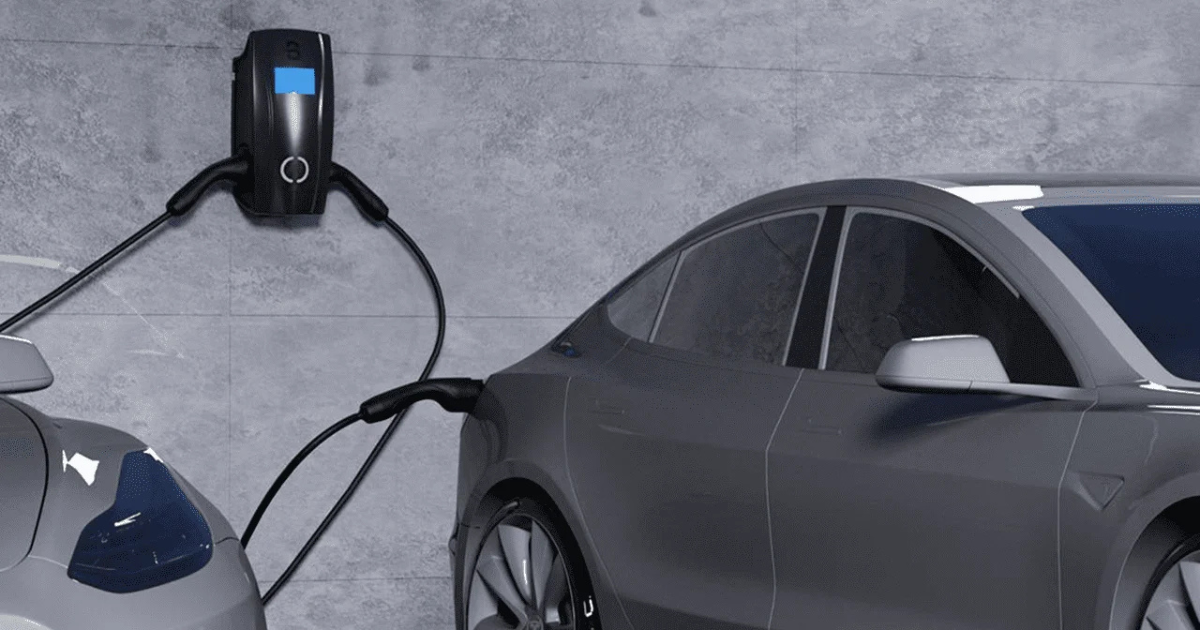
There’s no single number for what commercial EV charging costs, equipment, installation, and electrical work vary by property, but the real answer is that your actual out-of-pocket cost is almost always lower than the sticker price suggests. Three things bring that number down: buying equipment at distribution pricing instead of retail markup, applying for rebates and incentives that may be available for your location and utility, and running a real ROI/NPV analysis before you commit so you know the payback timeline going in.
Eagle 1 Solutions includes all three as part of every project, not as an upsell. The properties that get the best numbers are the ones that get a real site assessment first, generic online estimates don’t account for your actual electrical capacity, parking layout, or utility rate structure. The short version: don’t price commercial EV charging off a sticker number, get distribution pricing, check what rebates apply to you, and run the ROI math before deciding anything.
Why the Sticker Price Isn’t the Real Number
Search “commercial EV charger cost” and you’ll find a wide range of numbers, and most of them assume retail pricing, no rebates, and no site-specific analysis. That’s not the number that matters to you. The number that matters is what you actually pay after distribution pricing, after any rebates or incentives that apply to your specific property and utility, and measured against what the charger actually returns in value over time. Those three factors can change the real cost picture significantly, sometimes cutting the effective cost well below what a generic online estimate would suggest.
It also helps to separate the cost of the charger itself from everything else involved in getting it installed and running. The equipment is only one line item.
What Actually Goes Into the Total Cost
A complete commercial EV charging project typically involves several cost components, not just the charger:
- The charger itself, which varies significantly between Level 2 and Level 3 units
- Electrical work, including whether your property’s existing panel has enough capacity or needs an upgrade
- Conduit, trenching, and wiring between the electrical panel and the parking spaces
- Permitting and inspection fees, which vary by county and jurisdiction
- Installation labor
- Ongoing maintenance and any extended warranty coverage
Skipping a real assessment of these components is how businesses end up surprised by a final number that doesn’t match what they budgeted. It’s also how they end up choosing the wrong charger type for their actual electrical capacity, only to discover mid-project that a panel upgrade is required.
Distribution Pricing: Buying Direct vs. Retail Markup
Eagle 1 Solutions sells EV charging equipment directly, which means you’re buying at distribution pricing instead of paying a retail markup on top of what an installer marks up again. That’s a meaningful difference on commercial-scale projects, where you may be purchasing multiple units across a parking lot, a fleet depot, or a multi-building property. The more units involved, the more that markup compounds if you’re not buying direct.
Rebates & Incentives: Check Before You Assume
Rebates and incentives for commercial EV charging vary by state program, utility service territory, and property type, and they change over time, sometimes year to year. Programs can come from utilities, state agencies, or occasionally federal sources, and eligibility rules differ for each. Rather than quote numbers here that could be outdated by the time you read this, we check what’s currently available for your specific address and utility as part of your free site assessment, so you’re working with real, current figures instead of a number from an outdated blog post or a competitor’s marketing page.
ROI and NPV: Seeing the Real Payback Timeline
Before you commit to a project, you should know roughly how long it takes to pay for itself and what it’s worth over its lifetime, that’s what ROI and NPV analysis actually answers. ROI, return on investment, gives you a straightforward payback picture: how much you spend versus how much value the charger generates over time, whether that value comes from usage, added property appeal, or simply meeting a requirement that would otherwise cost you in permit delays. NPV, net present value, goes a step further by accounting for the time value of money, useful when you’re comparing a charging investment against other ways you could spend that capital.
This isn’t a rough guess, it’s a real calculation based on your property’s usage patterns, your local electricity rates, and your actual equipment and installation costs after distribution pricing and rebates are factored in. Two properties with nearly identical charger installations can end up with very different payback timelines depending on how often the chargers actually get used.
What Actually Affects Your Number
- How many chargers you need
- Level 2 vs. Level 3, see our guide on choosing between them
- Whether your property’s electrical panel has enough existing capacity, or needs an upgrade
- Local permitting and labor costs, which vary by county
- Rebates and incentives available in your specific location
- How the chargers will actually be used, which affects both your ROI timeline and which charger type makes sense in the first place
Budgeting for a Project Like This
Most commercial properties don’t need to pay for everything at once. It’s common to phase a project, starting with the chargers a property needs today and planning the electrical capacity to add more later without redoing the underlying infrastructure. A good site assessment accounts for this kind of phased thinking from the start, rather than treating every property as an all-or-nothing installation.
Why Buying Direct Changes the Math
A lot of the confusion around commercial EV charging cost comes from not knowing who you’re actually buying from. Some installers mark up equipment they source from a distributor, then charge separately for installation, effectively stacking two margins on top of the manufacturer’s price before you see a number. Buying directly from a seller with distribution pricing removes one of those markups entirely, and having the same company handle turnkey installation means you’re not paying a coordination fee on top of that to manage separate vendors. It’s one of the simplest ways to bring the total project cost down without cutting corners on the equipment or the installation quality.
Get Your Free Site Assessment and Tailored Proposal
The only way to get real numbers instead of a generic estimate is to start with a real site assessment. Eagle 1 Solutions offers a free electrical inspection and site assessment, sells Level 2 and Level 3 chargers direct with distribution pricing, and can walk you through the rebates and ROI numbers that actually apply to your property. Contact us for your free inspection and a tailored proposal.