California’s ZEV Mandate: What It Means for Your Property and How to Stay Compliant
-
Posted by
admin
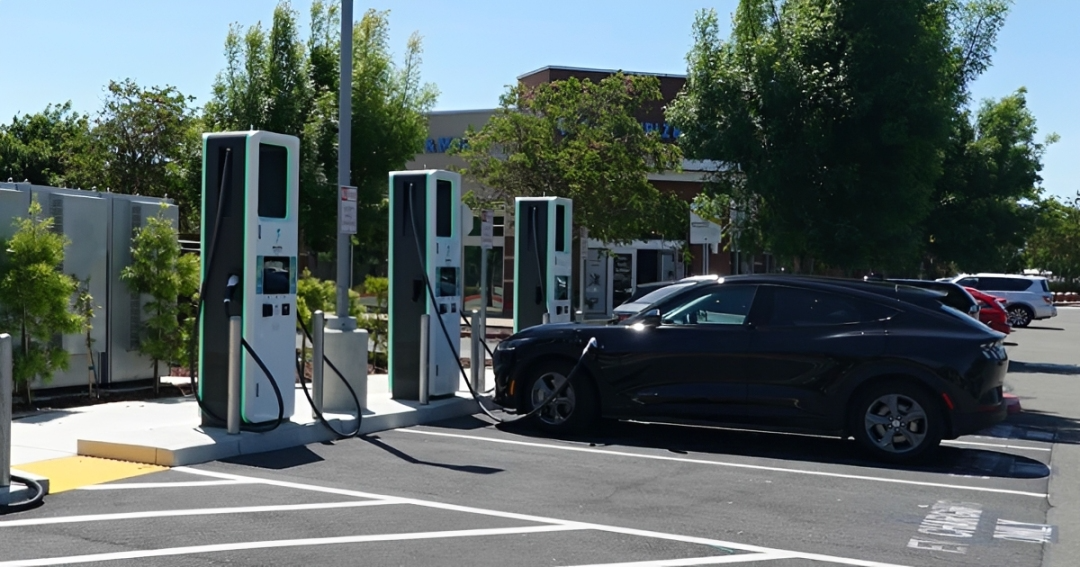
California has been steadily raising requirements for zero-emission vehicle infrastructure, and if you own or manage commercial, multi-family, or workplace property in the state, some level of EV charging readiness may already apply to you. The short answer: new construction and many renovation projects are now commonly required to include EV-capable or EV-ready parking spaces under California’s building code, with the exact number of spaces depending on your property type and size.
These requirements exist alongside the state’s broader push toward zero-emission vehicles on the road, which is steadily increasing how many EV drivers will be looking for places to charge near where they work, live, shop, and stay. Exactly what applies to your specific property depends on when it was built, what type of property it is, and your local jurisdiction, generic advice online can be outdated or simply wrong for your address. The short version: don’t guess at your compliance requirements, get a free site assessment that checks your specific property against current requirements.
Why California Is Requiring EV Charging Infrastructure
California has set some of the most aggressive zero-emission vehicle targets in the country, and getting there requires more than encouraging people to buy EVs, it requires somewhere for those vehicles to actually charge. If EV adoption keeps growing while charging infrastructure lags behind, the whole strategy stalls. That’s why the state’s building code has steadily expanded requirements for EV charging infrastructure in new construction and many renovation projects, not just for single-family homes, but for commercial, multi-family, and workplace properties too.
This isn’t an isolated rule, it fits into a broader set of state building code requirements around energy efficiency and sustainability that have been expanding for years. Property owners who’ve dealt with other green building requirements will recognize the pattern: standards that seemed aggressive when introduced tend to become baseline expectations within a few years.
What “EV-Capable,” “EV-Ready,” and “EV-Installed” Actually Mean
You’ll see several terms used in building code requirements, and they mean different things, worth understanding regardless of what applies to your property:
- EV-Capable: the electrical panel has capacity and conduit is in place to add a charger later without major construction. Nothing is charging yet, but the groundwork exists.
- EV-Ready: goes further, with the wiring already run to the parking space, ready for a charger to be installed. This is a bigger step than EV-Capable, since the electrical work is essentially done.
- EV-Installed: the charger itself is in place and functional.
How many spaces at each tier your property needs depends on your property type, size, and when it was built or last renovated, which is exactly why generic advice online can be outdated or simply wrong for your specific address. A property built several years ago may face different requirements than one being permitted today.
New Construction vs. Renovating an Existing Property
The requirements that apply to you can differ significantly depending on whether you’re building new or renovating. New construction projects generally face the clearest and most current requirements, since they’re evaluated against the code in effect at the time of permitting. Renovation projects can be more complicated: depending on the scope of work, you may trigger EV infrastructure requirements you weren’t expecting, especially if the renovation involves electrical work or a significant portion of the building.
This is exactly the kind of detail that’s easy to miss until a permit reviewer flags it, which is a far more expensive time to find out than during early planning.
Who This Commonly Applies To
Commercial property owners, multi-family housing developers, workplace and retail properties, and hospitality properties are the categories most likely to have some level of EV charging requirement attached to new construction or major renovation permits. If you’re pulling permits for new work, it’s worth checking before you’re deep into a project, not after.
What Happens If You Don’t Address It
Missing EV infrastructure requirements can mean permit delays while plans get revised to comply, and costly construction changes after the fact instead of building it in from the start, adding conduit and wiring is dramatically more expensive once walls, parking surfaces, and electrical systems are already finished. Beyond the compliance angle, there’s a practical business reality too: EV drivers, employees, tenants, and customers alike, are increasingly expecting charging to be available where they park, and a property that doesn’t offer it can be at a real disadvantage compared to one that does.
Steps to Take If You’re Not Sure You’re Compliant
If you’re planning new construction, renovating, or simply unsure where your property stands, the practical first step is a real site assessment rather than trying to interpret building code language on your own. A proper assessment looks at your property type, size, current electrical capacity, and the scope of any planned work, then tells you specifically what applies, not a generic answer pulled from a state-wide summary that doesn’t account for your local jurisdiction.
Documentation Matters as Much as the Installation
Compliance isn’t just about having the right number of EV-capable or EV-ready spaces physically in place, it’s also about being able to show it when it matters: at final inspection, during a permit review, or years later when the property changes hands and a new owner’s due diligence team asks for records. Keeping clear documentation of what was installed, when, and to what specification saves real time and avoids disputes down the line.
This is one of the reasons ongoing maintenance and monitoring matters even after installation is complete, equipment that quietly stops working doesn’t just create a customer complaint, it can turn a compliant property into a non-compliant one without anyone noticing until it’s flagged.
How Eagle 1 Helps You Get and Stay Compliant
This is exactly why Eagle 1 Solutions includes compliance guidance as part of our services, not as an afterthought. We start with a free site assessment and electrical inspection to see what your specific property actually needs, sell Level 2 and Level 3 chargers direct with distribution pricing, handle full turnkey installation and permitting, and provide ongoing maintenance, warranties, and monitoring after installation, so compliance doesn’t become a one-time checkbox that quietly lapses.
Get Your Free Compliance-Focused Site Assessment
Don’t guess at what applies to your property. Whether you’re breaking ground on new construction, mid-renovation, or simply want peace of mind that an existing property is in good standing, Contact us for a free electrical inspection and tailored proposal that accounts for your specific compliance requirements, not generic advice from an outdated blog post.