


Public Fleet Depot Charging in California: A Practical Guide from Planning to Site Assessment

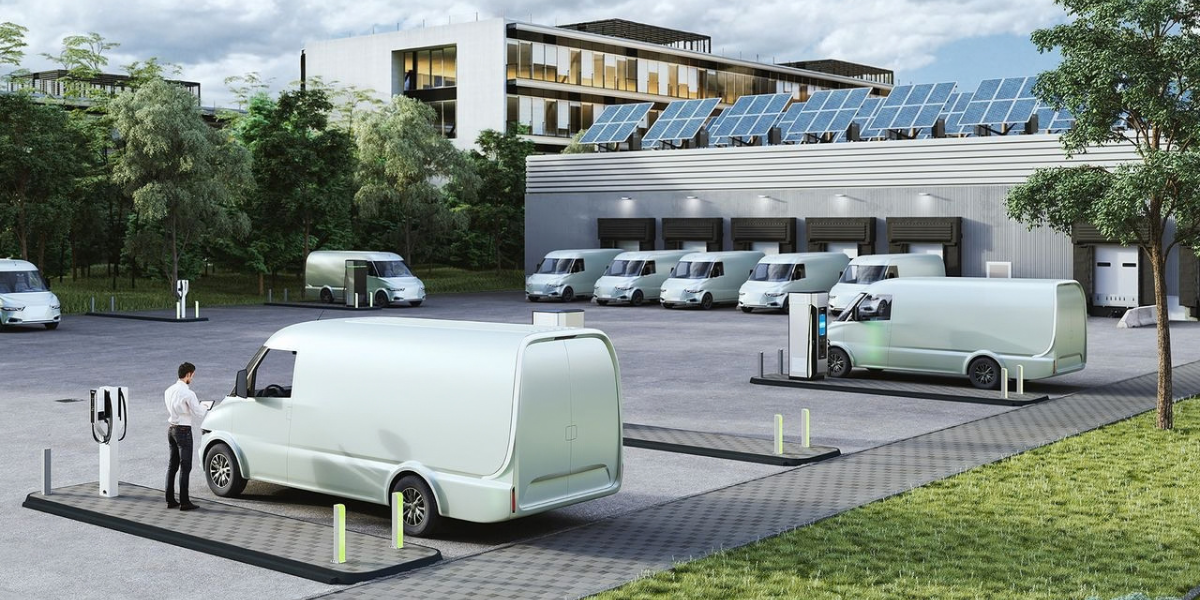
Government and municipal fleets across California are under real pressure to electrify, and the charging setup behind a public fleet depot looks different from a typical commercial lot. The short answer: most public fleet depots lean on Level 3 DC fast charging as the default, since route vehicles need to turn around in minutes, not hours. Level 2 still has a role wherever vehicles sit parked for a full shift, like administrative vehicles that never leave the lot mid-day.
Public-sector projects also carry an extra layer of permitting and procurement compared to a private commercial lot, which is exactly what full turnkey installation is built to absorb. Everything below covers how that actually plays out, and what a public agency should ask for before starting.
Why Public Fleets Lean on Level 3
A route vehicle sitting idle at a depot is a route not being run. That single fact drives most of the charging decisions at a public fleet depot: if a vehicle needs to be back on the road within 20 to 30 minutes, Level 2 simply isn’t fast enough, and Level 3 DC fast charging becomes the default rather than the upgrade.
The tradeoff, as with any Level 3 install, is cost. DC fast charging equipment and the electrical infrastructure behind it, often a utility service upgrade, cost more up front than Level 2. For a depot running multiple vehicles through a shift, that cost is usually justified by keeping the fleet moving instead of parked and charging.
The Extra Layer: Permitting and Procurement
A private commercial property and a public agency don’t follow the same path to get a charging project approved. Public works permitting, budget approval cycles, and in many cases a competitive procurement or bid process all sit in front of a public fleet charging project before installation ever starts. Exactly how that plays out varies by agency and by jurisdiction, this isn’t something to guess at, your own procurement office will have the specifics.
What doesn’t vary is the value of having one point of contact managing the project from purchase through completion. That’s what full turnkey installation is for: Eagle 1 sells the equipment directly at distribution pricing, then coordinates the installation, including any electrical upgrades, through subcontracted installer partners, so the agency isn’t juggling a separate equipment vendor and a separate installer on top of its own approval process.
Level 2 Still Has a Role
Not every vehicle at a public fleet depot needs DC fast charging. Administrative vehicles, vehicles that sit overnight, and vehicles not actively running routes during the day are often better matched to Level 2, which costs less to install and is more than adequate for a full shift or overnight charging window.
Most real depot projects end up mixing both: Level 3 for the vehicles that need to turn around fast, Level 2 for everything else. That mix is worth mapping out before equipment gets ordered, not after.
Choosing Equipment for a Fleet-Scale Install
A depot purchasing multiple chargers at once has more riding on equipment choice than a single-charger commercial lot does, since a wrong fit gets multiplied across every unit on the property rather than just one. Eagle 1 Solutions works with leading manufacturers including ABB, Siemens, EVBox, Blink, Tesla, and others, without locking a fleet into one brand before the assessment confirms what actually fits the depot’s vehicles, charging window, and budget. For a closer look at how those manufacturers actually compare, see the manufacturer comparison guide linked below.
Software and Cloud Management for Multi-Vehicle Depots
A depot charging more than a handful of vehicles usually gets more value out of software and cloud-based management than a single-charger property would. As an optional add-on, it can give a fleet manager visibility into charger status and usage across the whole depot, plus access control over which vehicles or drivers use which charger and when. Exact capabilities depend on the manufacturer and platform chosen for the project, that gets worked out as part of the same free site assessment, not assumed up front.
How This Fits Into Broader Fleet Sustainability Goals
A lot of public agencies are already tracking fleet emissions or carrying some form of electrification target as part of broader sustainability reporting, separate from any single vehicle-purchase decision. A charging project doesn’t need to wait for that reporting structure to exist, but where it already does, the depot buildout becomes one of the more visible, countable steps toward it, actual chargers installed and actual vehicles running on them, rather than a policy goal on paper.
Nothing here should be read as Eagle 1 offering emissions reporting or sustainability consulting services, that’s a separate function inside most agencies, this is simply charging infrastructure that tends to support goals many agencies already have in place.
What This Looks Like in Practice
A public fleet charging project starts the same way every Eagle 1 project does, with a free site assessment and electrical inspection, so the agency knows exactly what the property needs and what it will cost before committing to anything.
From there the same 5-step process applies as any full turnkey installation: assessment, purchase, permitting, installation, and ongoing maintenance and warranty support. The permitting step is simply heavier on the public-sector side, and having a single team coordinating equipment and installation keeps that step from becoming its own separate project.
What to Bring to a Site Assessment
A public fleet site assessment moves faster when the agency comes prepared with a few basics: how many vehicles are on site at once, the typical shift and route schedule those vehicles run, and where the agency’s budget or procurement cycle currently stands.
None of that needs to be finalized in advance, the assessment itself is where the real numbers, Level 2 versus Level 3 split, and equipment options get worked out, but having a rough answer to those three questions ready is what turns a first conversation into an actual proposal, rather than a second meeting to gather the same information.
Getting Started
If your agency is evaluating fleet electrification, the starting point is the same free site assessment offered to every property type Eagle 1 works with, not a sales pitch built around any specific government contract history. Eagle 1 is veteran-owned and works with commercial, fleet, government, multi-family, and hospitality properties across Los Angeles, Orange, San Diego, Riverside, San Bernardino, and Ventura counties, plus Palm Desert and Victorville-Barstow, and takes inquiries from outside California as well.